Michigan Property Taxes Explained
 When a home sells, the new owner’s property taxes often increase dramatically. When buying, don’t rely on the previous owner’s taxes when budgeting for future years. In estimating taxes for the year following the sale, multiply the property’s State Equalized Value by the millage rate. That gets you close. Also understand that the current SEV will be adjusted up or down based on local or neighboring comparable sales in the year you purchase.
The Rules: Headlee Amendment & Proposal A
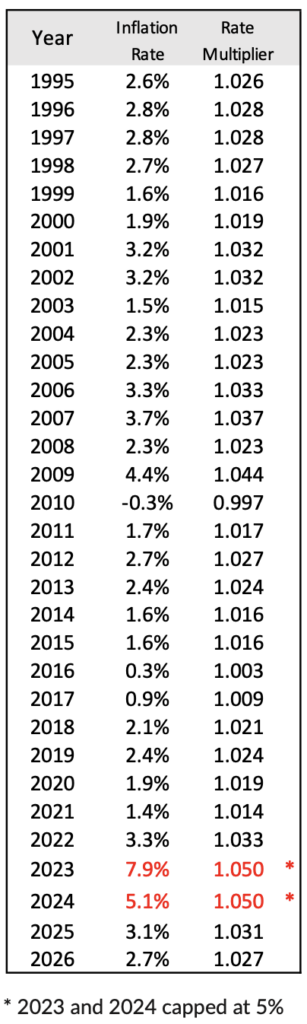
Michigan’s Headlee Amendment limits how much tax revenue local governments can collect, forcing rate reductions when property values rise faster than inflation. Proposal A, passed in 1994, caps annual taxable value increases at the lesser of inflation or 5%. This cap protects homeowners from sharp tax hikes due to high inflation. In 2023 and 2024, when the CPI hit 7.9% and 5.1%, the multiplier was limited by Proposal A to a 5% increase.
What Happens When a Property Sells
When a home sells, the capped value and taxable value are reset the following January 1st. The previous owner’s cap is discarded and the new owner’s taxable value becomes equal to the State Equalized Value (SEV) which is half of the home’s assessed market value. This uncapping often results in a significant tax increase compared to what the seller was paying. The SEV then becomes the starting point from which the buyer’s property taxes will be calculated and capped moving forward.
Taxable vs. Market Value: The Gap
From 2012 to 2025, Michigan property values increased by 196%. But capped taxable values for homeowners who didn’t move rose only 37.9%. This large gap explains why taxes jump and new buyers often pay higher taxes than established neighbors who have benefited from having their taxes capped.
Appealing Property Taxes
The Assessor mails your Notice of Assessment in February. In deciding whether or not to appeal property taxes, buyers should evaluate whether their SEV reflects about 50% of the true cash value of their home. Everything else (including what your neighbor pays) is irrelevant. If the SEV appears too high relative to the value, it may be worth appealing at the Board of Review.
